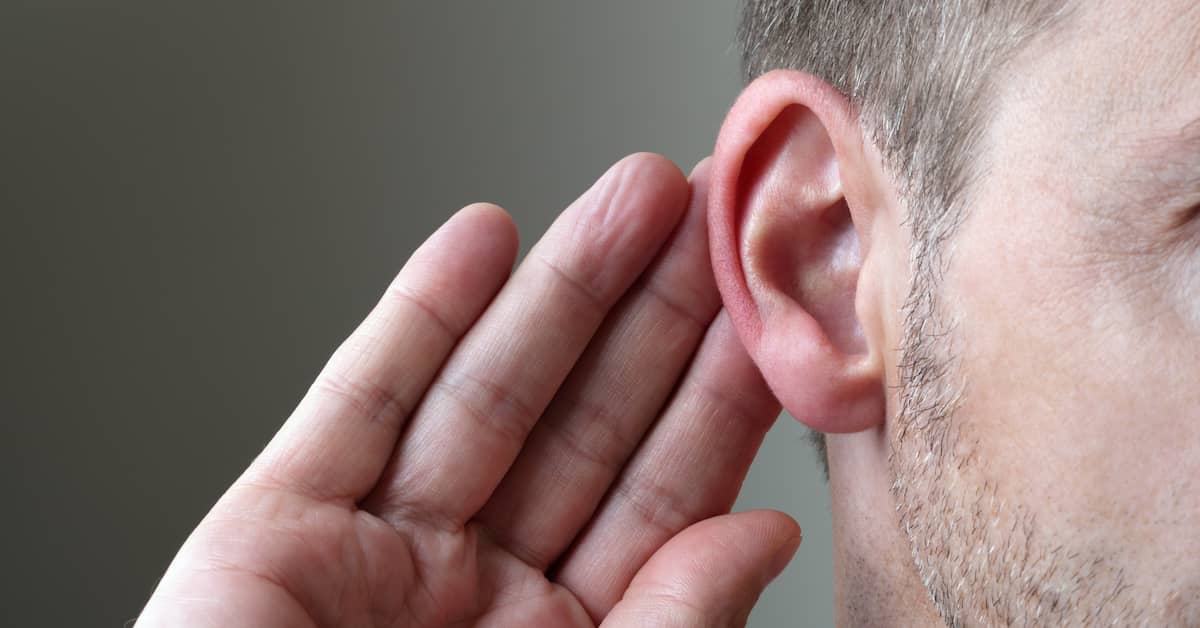
What if one of the most powerful tools to protect your brain isn’t a supplement, a puzzle app, or a special diet—but a person? A new study suggests that simply having someone who truly listens to you may help shield your brain from the effects of aging. Before you dismiss that coffee date or skip that phone call, you may want to reconsider—because your next meaningful conversation could be doing far more than lifting your mood.
Key Takeaways
A Listening Ear Protects the Brain. Adults who reported having someone they could rely on to listen showed stronger cognitive performance and healthier MRI scans.
Start Before 65. The strongest protective effects were seen in people in their 40s and 50s—suggesting early action matters.
Connection Builds Cognitive Resilience. Supportive relationships may help buffer the brain against age-related decline and disease.
How A Coffee Date Can Protect Your Memory
Do you have a valued friend or family member who always has time to lend an ear? Well, count yourself lucky. Not only is it heartwarming to feel heard, but those of us who have a good sounding board may also fare better cognitively as we age.
According to a study published in the journal JAMA Network Open, supportive relationships in adulthood are key to your ability to reduce cognitive decline in the face of brain aging.1 Researchers from Harvard, New York University, and the University of California Davis used data from the Framingham Heart Study (FHS), one of the longest-running community-based cohort studies in the United States.2
The 2,171 FHS participants, average age 63, self-reported information on the availability of supportive social interactions, including listening, good advice, love and affection, sufficient contact with people they’re close with, and emotional support.
The basic question was simple: “Can you count on someone to listen to you when you need it?”
Participants could select from three answers: “None of the time,” “most of the time,” or “all of the time.”
The study found that those folks who reported having a listener they could count on in their lives also boasted greater cognitive resilience. These lucky folks who had access to a supportive listener scored significantly higher on a battery of cognitive tests and had healthier MRI scans.
What’s Cognitive Resilience Anyway?
Lead researcher Joel Salinas, M.D., shed some light on this term.
“We think of cognitive resilience as a buffer to the effects of brain aging and disease,” Dr. Salinas explains.
Dr. Salinas and his team were aware of prior studies linking a robust social network with higher levels of cognitive function in Alzheimer’s patients-- and the surprising nature of these findings given the number of signs of Alzheimer’s disease in participants’ brains at autopsy.3
Dr. Salinas notes that the latest research adds to this growing evidence that people can take steps to increase the odds of slowing down cognitive aging or preventing the development of Alzheimer’s disease in the first place.
“[This is] something that is all the more important given that we still don’t have a cure for the disease.”
According to Dr. Salinas, having a great listener on speed dial might strengthen parts of the brain that help maintain cognitive health and minimize age-related damage.
Start Early
It turns out that the benefits of a listening ear start earlier than you might think.
“Although cognitive decline typically happens later in life, we actually found the most striking effect in people under age 65, in their 40s and 50s,” Dr. Salinas notes.
But that’s not to say that older adults have run out of time to gain the benefits of social support and boost their brain health. It just means you probably should act now to get as much benefit as possible. And the benefits of having a good listener in your life go way beyond brain health.
Dr. Salinas adds that having a good listener in your life can also have a profound impact on your ability to maintain independence and function well.
For example, research shows that regular social interaction helps older adults communicate more effectively with their loved ones and continue performing the activities they love for much longer than they might otherwise.
Susan Clark
Susan Clark is an award-winning, Emmy-nominated journalist and author who has written about nutrition, health, and wellness for 27 years. She has developed content for articles, reports, books, videos, and television news segments featuring some of today’s top alternative and integrative doctors. She earned a bachelor of science in broadcast journalism from Texas Christian University. She lives in Los Angeles with her husband, two sons, and numerous pets.
View Bio