You probably know serotonin as the "feel-good" chemical, the one linked to mood and depression. But researchers are discovering it may also play a surprising role in something just as precious: your memory.
Even more intriguing, two everyday nutrients, vitamin D and omega-3 fatty acids, appear to be closely tied to how your brain makes and uses serotonin. Here's what the science says, and what it could mean for you.
Key Takeaways
- Serotonin isn't just about mood. Brain scans show the serotonin system starts breaking down in people with early memory problems, and lower serotonin activity is linked to poorer memory.
- Vitamin D and omega-3s work on serotonin in complementary ways. Vitamin D helps the brain make serotonin, while omega-3s help release it and help it reach its target.
- The research is promising but not conclusive. Studies show modest cognitive benefits, but neither nutrient has been proven to prevent Alzheimer's disease.
The Memory–Serotonin Connection
For years, scientists knew that people with Alzheimer's disease and other dementias had lost many of the brain cells that produce and distribute serotonin. What they didn't know was whether that loss was a result of the disease or one of its causes.
Research from Johns Hopkins is helping answer that question. In a 2023 brain-imaging study, researchers found lower levels of the serotonin transporter, a protein that helps move serotonin where it's needed, in people with mild cognitive impairment (MCI). MCI is often an early stage on the road to Alzheimer's for some people.
Why this matters:
- Serotonin problems seem to show up early in cognitive decline, not just at the end.
- That makes the serotonin system a potential target for early intervention, before memory loss becomes severe.
- Low serotonin is also tied to depression and anxiety, which often accompany memory decline.
As researcher Gwenn Smith, a professor of psychiatry and behavioral sciences, put it: "Now that we have more evidence that serotonin is a chemical that appears affected early in cognitive decline, we suspect that increasing serotonin function in the brain could prevent memory loss from getting worse and slow disease progression."
How Vitamin D and Omega-3s Support Serotonin
Think of serotonin like a letter being sent between brain cells. It has to be written, mailed, and delivered. Researchers at the Children's Hospital Oakland Research Institute proposed that these nutrients help at each step.
Vitamin D: the writer
- Vitamin D helps switch on the genes that convert tryptophan, an amino acid found in meat, poultry, fish, and dairy, into serotonin.
- Without enough vitamin D, your brain may have a harder time producing serotonin in the first place.
EPA (an omega-3 in fish oil): the mail carrier
- EPA helps calm inflammatory signals in the brain that can keep serotonin "bottled up" inside nerve cells.
- With less inflammation in the way, serotonin can be released more freely.
DHA (another omega-3 in fish oil): the delivery route
- DHA is a key building block of brain-cell membranes.
- It helps keep those membranes flexible, making it easier for serotonin to reach and connect with its receptors.
What the Latest Research Shows
Vitamin D
A large analysis of randomized controlled trials found vitamin D supplements produced a small improvement in overall cognition, with potentially bigger benefits for people who were deficient or otherwise vulnerable.
People with vitamin D deficiency have a higher risk of dementia and Alzheimer's. However, this doesn't prove low vitamin D causes dementia, or that supplements will prevent it.
Omega-3s
A large analysis of trials in thousands of adults without dementia found omega-3s may benefit certain thinking skills, especially executive function: planning, focus, and decision-making.
In people who already have Alzheimer's, studies generally haven't shown large or consistent improvements.
The bottom line: Omega-3s may be most useful for protecting long-term brain health rather than reversing decline that's already happened. Researchers are still working out who benefits most, at what dose, and at what age.
Why So Many of Us Fall Short
Many Americans are low in both nutrients. We get little vitamin D from food, and many people don't get enough sun for the skin to make much of it. We don't eat much fish, the main dietary source of EPA and DHA.
Researcher Bruce Ames, Ph.D., explains, saying, "Vitamin D, which is converted to a steroid hormone that controls about 1,000 genes, many in the brain, is a major deficiency in the US, and omega-3 fatty acid deficiencies are very common because people don't eat enough fish."
A Bonus for Mood
Because serotonin is so closely linked to depression, omega-3s have also been studied for mood. A European review found that omega-3s can help improve symptoms of depression, with some analyses suggesting effects comparable to antidepressants in certain groups. That's encouraging, but omega-3s are best viewed as a possible complement to treatment, not a replacement. Never stop or change an antidepressant without talking to your doctor.
What You Can Do Today
- Ask your doctor to check your vitamin D level. It's a simple blood test that tells you whether supplementing makes sense for you.
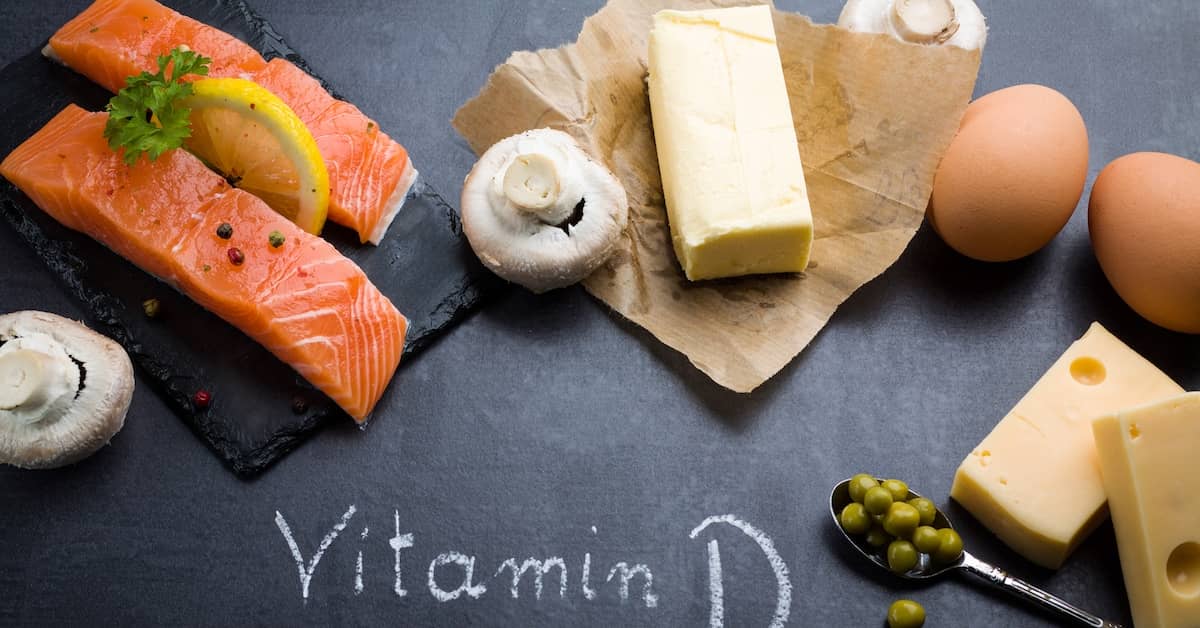
- Eat fatty fish regularly, such as salmon, sardines, mackerel, or trout. If you don't eat fish, ask about a quality fish oil or algae-based omega-3.
- Get some sensible sun exposure when possible.
- Cover the other brain-health basics: regular exercise, good sleep, heart health, an overall nutritious diet, and targeted brain supplementation.
Scientists still have much to learn about how serotonin, nutrition, and memory fit together. But one finding stands out: changes in the brain's serotonin system may begin much earlier in cognitive decline than anyone realized.
Vitamin D and omega-3s aren't a proven shield against Alzheimer's. But keeping your levels healthy is a simple, low-risk step that supports the brain chemistry your memory and mood depend on.
Summary
Researchers are uncovering an important connection between serotonin and memory. Brain-imaging studies have found deterioration of the serotonin system in people with mild cognitive impairment, suggesting these changes can occur relatively early in cognitive decline. Meanwhile, vitamin D and the omega-3 fatty acids EPA and DHA are involved in biological pathways related to serotonin function and continue to be studied for their potential effects on cognition and mood. While neither nutrient has been proven to prevent Alzheimer’s disease, maintaining adequate levels may be one component of supporting healthy brain function as you age.
Frequently Asked Questions
What does serotonin have to do with memory?
Serotonin is best known for its role in mood, but it also influences numerous brain functions. Brain-imaging studies have found changes in the serotonin system in people with mild cognitive impairment, and lower serotonin transporter availability has been associated with poorer performance on certain memory tests.
Does low serotonin cause Alzheimer's disease?
Scientists haven't established that. Research shows that degeneration of the serotonin system can occur relatively early in cognitive decline and may interact with Alzheimer's-related processes, but that doesn't prove low serotonin causes Alzheimer's disease.
How is vitamin D connected to serotonin?
Research has proposed that the active form of vitamin D helps regulate a gene involved in producing serotonin in the brain. This is one reason scientists have investigated vitamin D's relationship with brain function and mood.
Can omega-3s help memory?
Possibly, but the evidence is mixed. A 2024 analysis of 24 randomized trials involving 9,660 adults without dementia found evidence suggesting benefits to executive function under certain conditions, but omega-3 supplementation hasn't been proven to prevent Alzheimer's disease.
Can vitamin D and fish oil prevent Alzheimer's?
There isn't sufficient evidence to say that they can. Vitamin D and omega-3 fatty acids have important biological roles and continue to be studied for brain-health effects, but neither supplement is an established Alzheimer's prevention treatment.
Smith GS, Protas H, Kuwabara H, et al. Molecular imaging of the association between serotonin degeneration and beta-amyloid deposition in mild cognitive impairment. NeuroImage: Clinical. 2023;37:103322. https://pubmed.ncbi.nlm.nih.gov/36680976/
Smith GS, Kuwabara H, Yan H, et al. Serotonin Degeneration and Amyloid-β Deposition in Mild Cognitive Impairment: Relationship to Cognitive Deficits. Journal of Alzheimer's Disease. 2023. https://pubmed.ncbi.nlm.nih.gov/37718818/
Patrick RP, Ames BN. Vitamin D and the omega-3 fatty acids control serotonin synthesis and action, part 2: relevance for ADHD, bipolar disorder, schizophrenia, and impulsive behavior. FASEB Journal. 2015;29(6):2207-2222. https://pubmed.ncbi.nlm.nih.gov/25713056/
Chen F, et al. Effects of Vitamin D Supplementation on Cognitive Outcomes: A Systematic Review and Meta-Analysis. Neuropsychology Review. 2023. https://pubmed.ncbi.nlm.nih.gov/37418225/
The influence of n-3 polyunsaturated fatty acids on cognitive function in individuals without dementia: a systematic review and dose-response meta-analysis. 2024. https://pubmed.ncbi.nlm.nih.gov/38468309/
Efficacy and safety of n-3 fatty acids supplementation on depression: a systematic review and dose-response meta-analysis of randomised controlled trials. 2023. https://pubmed.ncbi.nlm.nih.gov/37726108/