Key Takeaways
- Heart rate variability (HRV) is closely linked to resilience, adaptability, and the body’s ability to recover from stress.
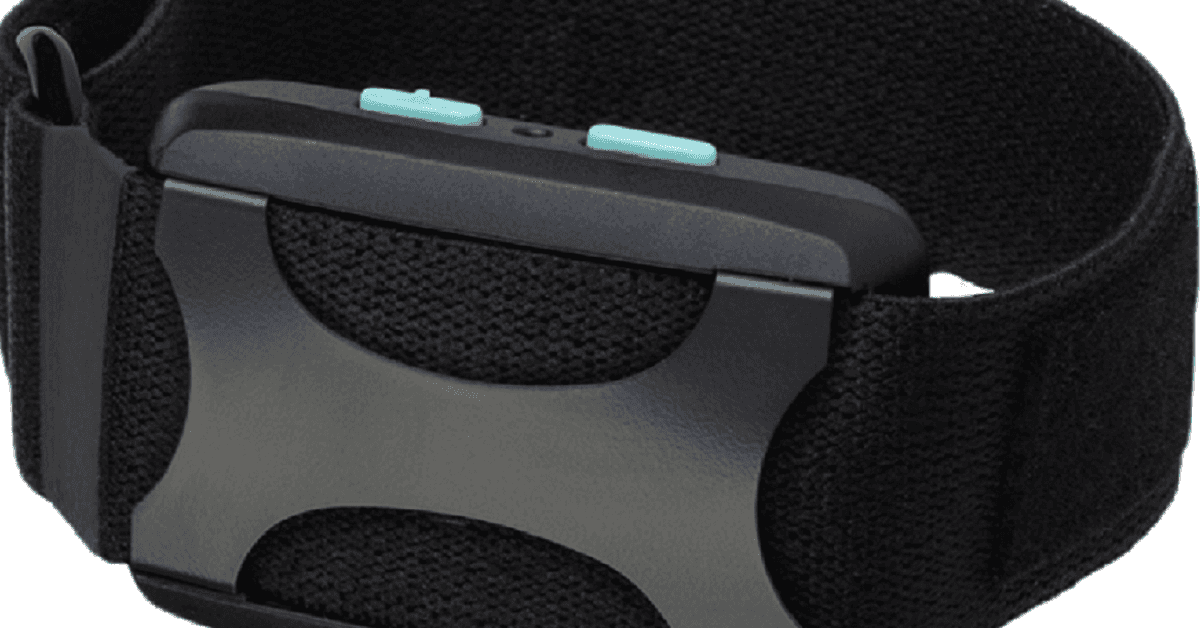
- Apollo Neuro uses gentle vibrations on the wrist or ankle to help balance the autonomic nervous system and improve stress response.
- Early studies found the device may help improve calmness, focus, sleep quality, mood, and emotional resilience.
Heart Rate Variability Linked to Stress
Psychiatrist and neuroscientist Dr. David Rabin has been studying the impact of chronic stress and how people adapt to it, often called resilience, for more than a decade.Apollo Can Help
The Importance of Feeling Safe
Dr. Rabin's work with people struggling with post-traumatic stress disorder and treatment-resistant mental illnesses led him to conclude that helping people feel safe is the single most important factor to facilitate recovery and healing.Other Wearable Technology Devices
Researchers are increasingly interested in wearable technology designed to monitor — and in some cases influence — stress, sleep, focus, and nervous system balance.
These devices use different approaches, ranging from heart rate variability tracking to brainwave monitoring and vagus nerve stimulation. While many show promise, experts caution that most are still evolving technologies and should be viewed as supportive wellness tools rather than medical treatments.
- Oura Ring — A smart ring that tracks sleep, heart rate variability (HRV), body temperature, and daytime stress patterns to help users monitor recovery and resilience.
- WHOOP Strap — A wearable band focused on strain, recovery, sleep, and HRV monitoring, often used by athletes and biohackers to manage stress and optimize recovery.
- Muse Headband — A brain-sensing EEG headband designed to provide meditation and neurofeedback training by measuring brainwave activity during relaxation exercises and sleep.
- HeartMath Inner Balance — A biofeedback system that trains users to improve HRV and breathing patterns through guided exercises intended to promote emotional regulation and resilience.
- Pulsetto — A wearable device designed to stimulate the vagus nerve, which researchers believe may influence stress response, relaxation, and nervous system regulation.
Scientists say the most important takeaway may not be the devices themselves, but the growing recognition that stress leaves measurable fingerprints throughout the body — affecting heart rhythms, sleep quality, inflammation, focus, mood, and long-term health.
Wearable technology may eventually help people better understand those patterns and develop healthier daily habits to support resilience and nervous system recovery.
Summary
A wearable device called Apollo Neuro was developed to help improve stress resilience by using gentle vibrations that stimulate the nervous system through the skin. Created by psychiatrist and neuroscientist Dr. David Rabin, the device aims to increase heart rate variability (HRV), which is strongly linked to resilience, adaptability, and stress recovery. Early studies suggest Apollo may help improve calmness, focus, sleep, mood, and stress management by helping the body feel safe and balanced.
Frequently Asked Questions
What is Apollo Neuro?
Apollo Neuro is a wearable device designed to help reduce stress and improve resilience using gentle vibration patterns delivered through the skin.
What is heart rate variability (HRV)?
Heart rate variability measures the variation in time between heartbeats. Higher HRV is generally associated with better stress resilience, adaptability, and nervous system balance.
How does Apollo Neuro work?
The device sends subtle vibrations to touch receptors in the skin, which may help signal safety to the nervous system and improve autonomic balance.
Can Apollo Neuro help with sleep?
The device includes settings intended to promote relaxation and prepare the body for sleep, and some users report improvements in sleep quality.
Is there research behind Apollo Neuro?
According to the company and preliminary studies, the technology has been tested in laboratory settings and on volunteers to evaluate effects on stress, HRV, calmness, and focus.
References:
Evaluating the impact of Apollo Neuro™ wearable on wellbeing in medical and pharmacy students: A preliminary prospective randomized controlled study. Am J Med. 2025. doi:10.1016/j.amjmed.2024.11.024https://pubmed.ncbi.nlm.nih.gov/40816518/
Heart rate variability during mindful breathing meditation. Front Physiol. 2023;13:1017350. doi:10.3389/fphys.2022.1017350
https://pmc.ncbi.nlm.nih.gov/articles/PMC9899909/
Application of Noninvasive Vagal Nerve Stimulation to Stress-Related Psychiatric Disorders. J Pers Med. 2020;10(3):119. doi:10.3390/jpm10030119
https://pmc.ncbi.nlm.nih.gov/articles/PMC7563188/
Goessl VC, Curtiss JE, Hofmann SG. The effect of heart rate variability biofeedback training on stress and anxiety: a meta-analysis. Psychol Med. 2017;47(15):2578-2586. doi:10.1017/S0033291717001003
https://pubmed.ncbi.nlm.nih.gov/28478782/
Inward-attention meditation increases parasympathetic activity: a study based on heart rate variability. Biomed Res. 2008;29(5):245-250. doi:10.2220/biomedres.29.245
https://pubmed.ncbi.nlm.nih.gov/18997439/