
Your Legs Are a Window Into Your Brain's Future
Leg and thigh muscle strength may predict brain health better than grip or cardio—here's what the science says about sarcopenia and cognitive decline.

Susan Clark is an award-winning, Emmy-nominated journalist and author who has written about nutrition, health, and wellness for 27 years. She has developed content for articles, reports, books, videos, and television news segments featuring some of today’s top alternative and integrative doctors. She earned a bachelor of science in broadcast journalism from Texas Christian University. She lives in Los Angeles with her husband, two sons, and numerous pets.

Leg and thigh muscle strength may predict brain health better than grip or cardio—here's what the science says about sarcopenia and cognitive decline.

Discover how keeping a regular sleep schedule strengthens memory consolidation and daytime focus, backed by sleep science and practical tips.

Longer Telomeres Linked To Lower RiskOf Dementia Telomeres are caps at the end of chromosomes that protect DNA from degrading. But when a cell divides and the chromosomes replicate, telomeres shorten

Discover how stress physically alters digestion through the gut-brain axis, and learn practical steps to restore digestive comfort and balance.

Hearing loss isn't just an ear problem—research links it to brain changes and cognitive decline. Learn why and what you can do about it.

Mid-afternoon brain fog is often caused by mild dehydration, not age or poor sleep. Learn the signs and simple fixes.

Glaucoma shares key biological processes with Alzheimer's disease. Learn how antioxidants may support both eye and brain health as you age.

Discover how the fall-to-winter transition affects brain chemistry, mood, and focus—and practical steps to protect your cognitive health.

Could a simple hand movement sharpen your memory? Discover two surprising techniques researchers have studied to help your brain remember more.
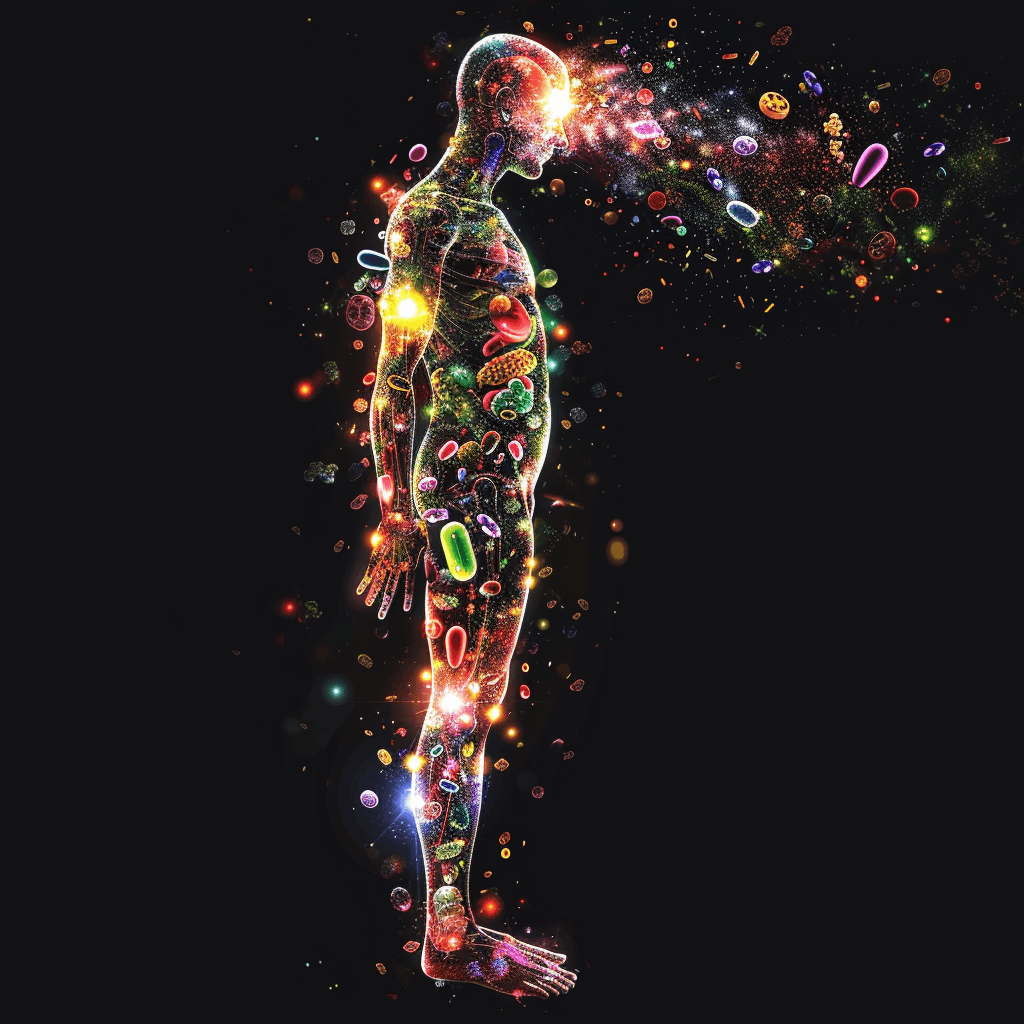
Poor gut health is liked to Alzheimer's disease. Here are the bad bacteria involved and the good bacteria that can reduce your risk of dementia.

Your brain isn't set in stone. Discover how neuroplasticity allows it to adapt and form new connections—and the surprisingly simple ways you can encourage that process.

New research reveals that immune cells in your brain can go rogue destroying critical connections that power memory. The good news: A powerful food nutrient can stop the damage and restore thinking.

A soothing sound found throughout nature may help deepen sleep and support memory. Discover why researchers are taking a closer look at pink noise.

Discover the hidden dangers lurking in your medicine cabinet. Nearly half of dementia patients take potentially harmful medications.
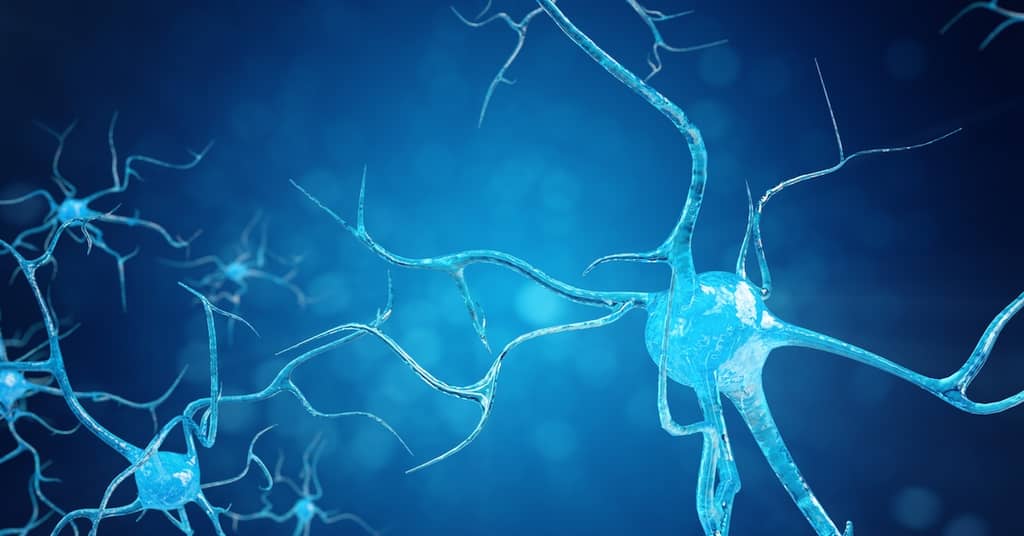
Can your brain grow new cells as you age? New research suggests it can—and the answer may transform what scientists know about memory and Alzheimer's.
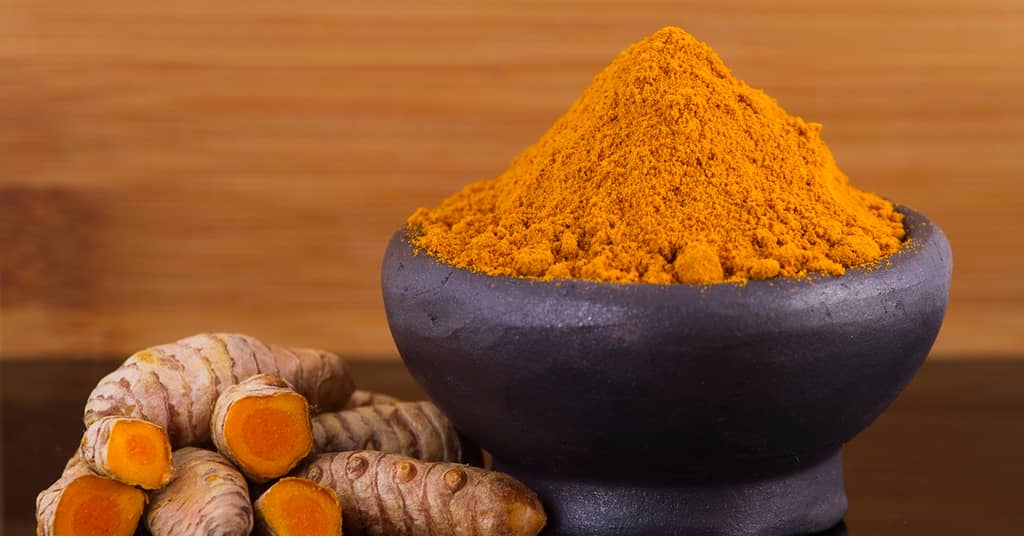
Scientists discovered that improving curcumin absorption may unlock surprising brain benefits, with studies showing support for memory, attention, and healthy cognitive aging.
Learn the little-known symptoms of low omega-3 levels and deficiency. Plus, how to boost your omega-3 intake for clearer thinking and more.

Even if you're sitting, your brain doesn't have to be idle. Choosing mentally active pastimes like reading or computer work may offer protective benefits against cognitive decline.

When our environment darkens, the pupils open up to let in more light.Pupils also dilate when you’re feeling scared or threatened, or when you’re looking at someone you’re physically attracted to.

Discover the easiest way to avoid middle-age dementia by understanding 15 risk factors that are behind the explosion in dementia diagnoses.
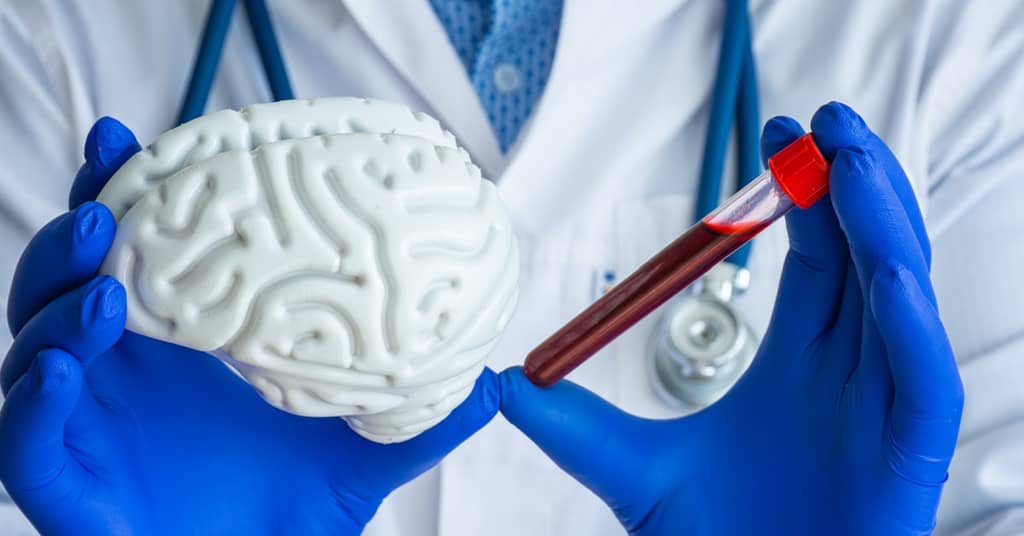
New blood tests can detect Alzheimer’s earlier than ever—potentially years before symptoms—opening the door to earlier action and better brain health outcomes.

New research shows flu shots—especially high-dose—may lower Alzheimer’s risk by up to 20%, revealing a surprising link between immunity and brain health.

Mainstream medical researchers have been going back and forth on whether aspirin can help you prevent Alzheimer’s disease or not.

A breakthrough blood test measuring p-tau217 can detect Alzheimer’s brain changes decades before symptoms, giving doctors a powerful new tool for earlier diagnosis and prevention.
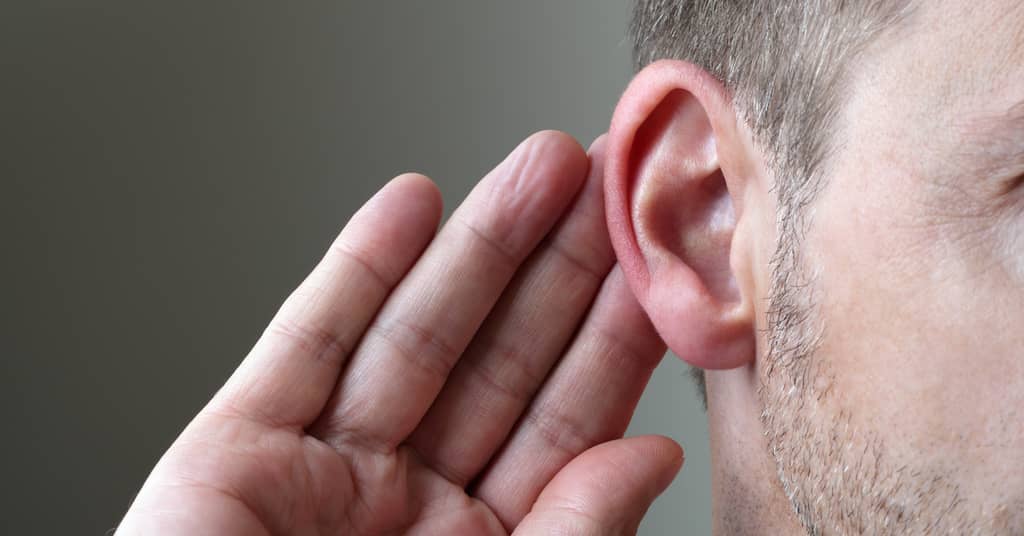
Having someone who truly listens to you may protect your brain as you age, boosting cognitive resilience and supporting long-term mental sharpness.
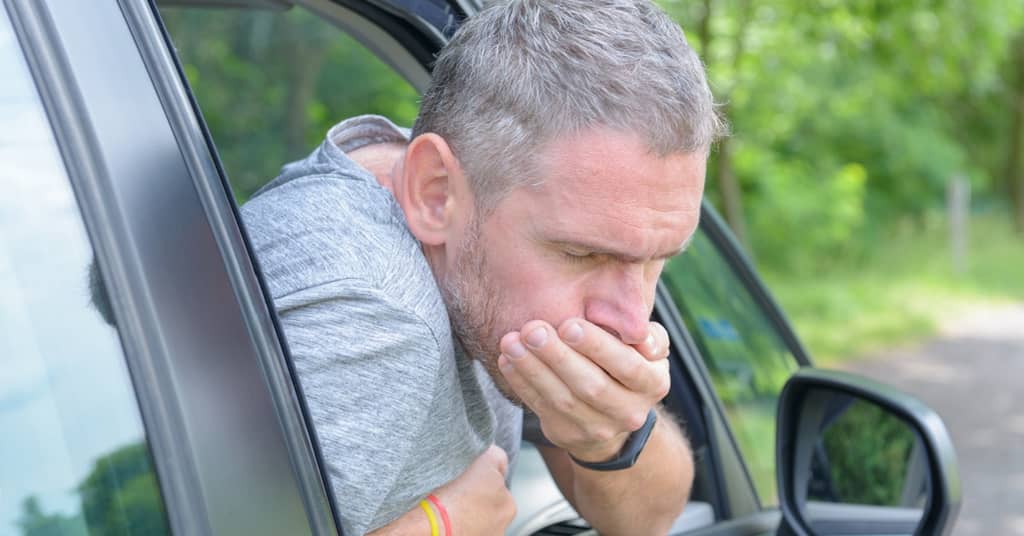
Car sickness and other forms of motion sickness are surprisingly common, with up to one in three people highly susceptible to the condition.Being a driver rather than a passenger is protective. But

When too many of the wrong kind of microbes take root in the gut, it causes an imbalance that can lead to a wide variety of health disorders.Could this also occur in the brain?An international group
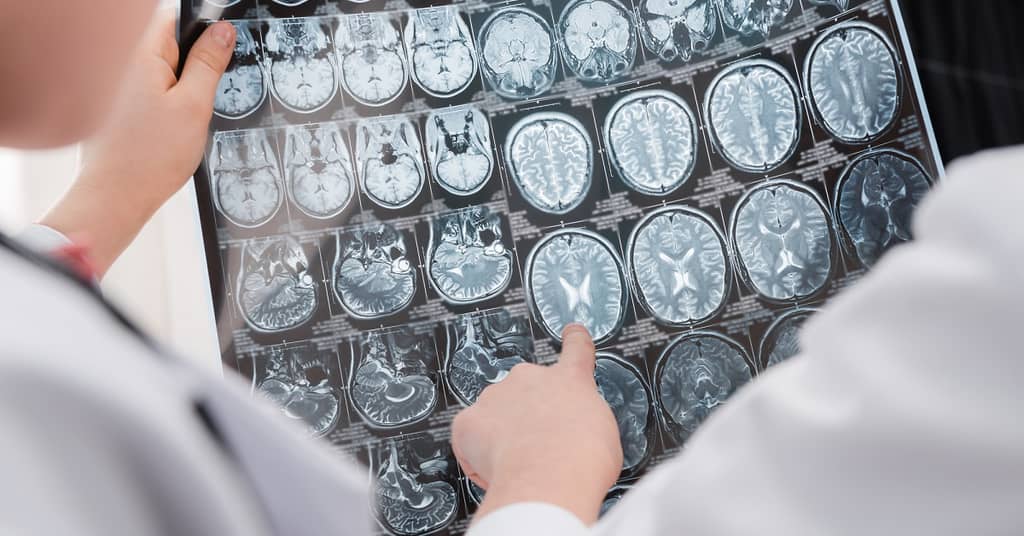
Researchers have been working on blood tests, eye tests, even sense of smell tests-- all in an attempt to uncover a screening tool that reveals the very earliest signs of dementia, long before

The next time you’re feeling really, really hungry, don’t be too quick to treat yourself to a snack.It turns out that the hormone behind that famished feeling is doing good things for your brain.By

Before you have any kind of surgery, especially if you are middle-aged or older, you need to be aware of the brain damage that often results from general anesthesia – the kind where you lose
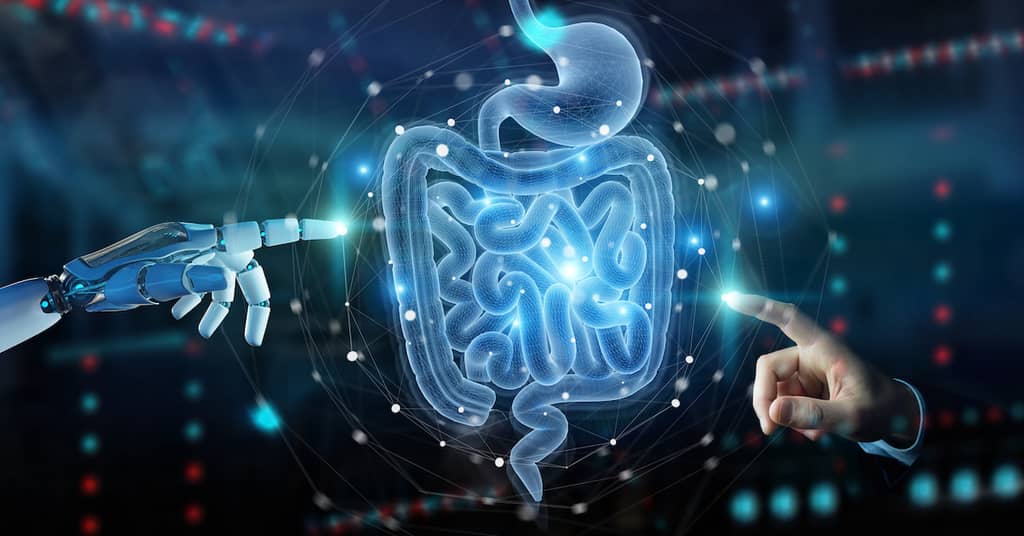
A human study reveals that boosting gut bacteria with specific foods can significantly reduce stress and depressive feelings—proving your diet may strongly influence your mood.

NeuroFactor® Holds The Key To Sharp, Clear Thinking

Cambridge scientists reverse aging in brain stem cells by altering their environment. This discovery could lead to new treatments for Alzheimer's.

As a Natural Health Insiders reader, you know your diet is one of the mostimportant factors for keeping your brain healthy and your mind sharp for the rest of your life.But the one thing that can
Discover the differences between cognitive and neurological testing, how each can help diagnose memory loss, and why combining both is most effective.

Discover how sinus inflammation and infections can impact brain function, sleep, and mental clarity — and what you can do about it.

Discover how mitochondria power brain cells and why supporting cellular energy is key to mental clarity and long-term brain health.