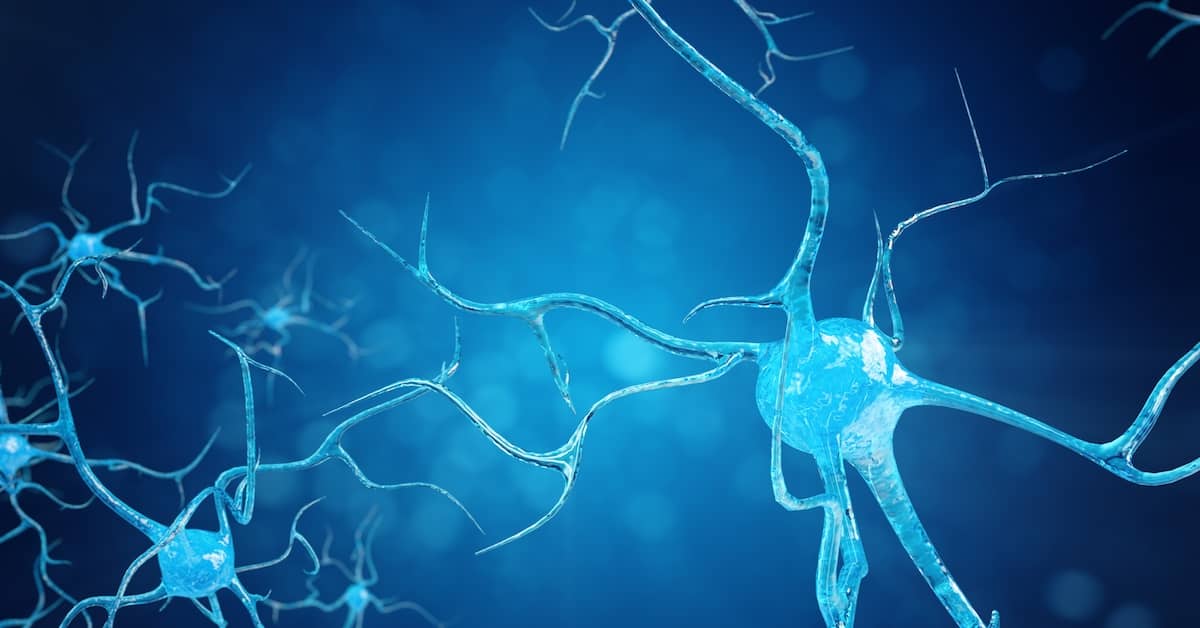
For most of the last century, scientists believed the adult brain couldn't grow new neurons. The brain cells you had in adulthood were the ones you'd keep for life, slowly losing them as the years passed.
Then came a discovery that turned neuroscience upside down.
Researchers found evidence that a small region deep inside the brain—the hippocampus, which is critical for learning and memory—appeared capable of producing brand-new neurons throughout adulthood. The finding sparked one of neuroscience's biggest debates. Some studies supported it. Others concluded the process stopped after childhood.
Today, thanks to more sophisticated imaging techniques, improved tissue preservation, and powerful genetic analysis, the evidence has become much stronger. Most researchers now believe that while this process called neurogenesis naturally slows with age, it continues throughout much of adult life.
Even more remarkable, scientists have discovered that this regenerative process appears to become impaired very early in Alzheimer's disease—possibly years before significant memory loss develops. Whether you want to protect your memory or improve it, here's what you need to know.
Key Takeaways
• Most scientists now believe the adult brain continues producing new neurons throughout life, although the process naturally slows with age.
• Reduced neurogenesis appears to occur early in Alzheimer's disease, making it an exciting new area of research.
• Exercise, quality sleep, lifelong learning, and overall brain-healthy habits may help support the environment needed for healthy brain aging.
How Your Brain Grows New Cells
The brain's primary center for adult neurogenesis is a structure called the hippocampus, specifically an area known as the dentate gyrus. This region plays a critical role in learning, forming memories, and distinguishing one experience from another.
In 2019, researchers led by Dr. Maria Llorens-Martín at the Autonomous University of Madrid examined brain tissue from healthy adults ranging in age from their 40s into their late 80s. Using carefully preserved brain samples and state-of-the-art laboratory techniques, they identified thousands of immature neurons—even in the oldest brains they studied.
Although the number of newly forming neurons declined gradually with age, they remained present throughout adulthood. These findings helped explain why earlier studies had reached conflicting conclusions: the ability to detect these fragile young neurons depends heavily on how brain tissue is collected and preserved after death.
Subsequent studies from several independent laboratories have reached similar conclusions, further strengthening the evidence that adult hippocampal neurogenesis is a normal part of healthy aging.
The Strongest Evidence Yet
Earlier this year, researchers published one of the most comprehensive investigations of adult neurogenesis to date.
Rather than simply looking for immature neurons under a microscope, scientists used advanced single-cell genetic analysis to identify neural stem cells, developing neurons, and the molecular signals that guide their growth.
Their findings confirmed that new neurons continue to form throughout adulthood. The study also found that adults with exceptional memory performance—sometimes called "SuperAgers"—appeared to preserve these regenerative processes better than people experiencing typical age-related cognitive decline.
These discoveries suggest that maintaining the brain's ability to generate new neurons may play an important role in preserving memory as we grow older.
What Happens in Alzheimer's Disease?
The same research has uncovered another important clue.
When scientists examined brain tissue from people with Alzheimer's disease, they consistently found far fewer newly developing neurons than in healthy brains of the same age.
Even more striking, these changes appeared very early in the disease process—possibly before significant symptoms developed.
Recent studies suggest that Alzheimer's disrupts the entire environment that supports neurogenesis. Neural stem cells become less active, immature neurons fail to mature normally, inflammatory signals increase, and the brain's normal repair mechanisms begin to break down.
Rather than simply losing existing neurons, the brain may also lose much of its ability to replace or replenish them.
This growing body of evidence has led many researchers to view impaired neurogenesis as one of several important biological processes involved in Alzheimer's disease.
A More Complete Picture of Alzheimer's
For many years, Alzheimer's research focused primarily on the accumulation of amyloid-beta plaques and tau tangles.
Today, scientists recognize that the disease is far more complex.
While amyloid and tau remain important features of Alzheimer's, researchers now believe the disease also involves chronic inflammation, mitochondrial dysfunction, vascular changes, altered immune activity, impaired cellular communication, and reduced neurogenesis.
Some newer medications that target amyloid have shown modest benefits in slowing cognitive decline in carefully selected patients with early Alzheimer's disease. At the same time, researchers continue to investigate additional mechanisms—including neurogenesis—that may ultimately lead to more effective treatments.
Rather than viewing these ideas as competing theories, scientists increasingly see them as interconnected pieces of a much larger puzzle.
Can You Support Neurogenesis?
Scientists are now asking a different question. Instead of debating whether adult neurogenesis exists, they're trying to understand how to preserve it.
Although no single lifestyle habit has been conclusively proven to increase neurogenesis in humans, several healthy behaviors have consistently been associated with better hippocampal health and cognitive function.
These include:
- Regular aerobic exercise
- Getting sufficient, high-quality sleep
- Learning new skills and challenging your brain
- Eating a Mediterranean-style diet rich in colorful fruits, vegetables, healthy fats, and fish
- Managing chronic stress
- Maintaining healthy blood pressure, blood sugar, and cardiovascular health
- Staying socially engaged throughout life
Many of these habits increase levels of brain-derived neurotrophic factor (BDNF), improve blood flow to the brain, reduce inflammation, and create an environment that appears favorable for healthy brain aging.
Research is also pointing to specific supplements including...
Icarrin (Bishop's Hat, Epimedium): Icariin has attracted growing attention in neuroscience because multiple studies suggest it may promote hippocampal neurogenesis, increase BDNF expression, reduce neuroinflammation, and improve learning and memory.
Neurofactor™ Coffee Fruit Extract: Human clinical studies have shown it can significantly increase levels of brain-derived neurotrophic factor (BDNF)—sometimes called "fertilizer for the brain." BDNF plays a critical role in helping neurons survive, form new connections, and supporting the processes involved in learning, memory, and neuroplasticity. Since BDNF is closely linked with hippocampal neurogenesis, maintaining healthy BDNF levels may help support the brain's natural ability to adapt throughout life.
DHA Omega-3s: DHA is a major structural component of brain cell membranes. Healthy membranes allow neurons to communicate efficiently while supporting the growth and maintenance of new neural connections. Animal and observational human research suggests adequate omega-3 intake is associated with healthier hippocampal function and may help create an environment that supports neurogenesis.
Citicoline (Cognizin®): Citicoline supplies important building blocks for neuronal membranes while supporting production of acetylcholine, one of the brain's primary learning and memory neurotransmitters. It also supports brain energy metabolism and healthy communication between neurons—functions that become increasingly important as we age.
Bacopa monnieri: Bacopa has been used for centuries to support memory and cognitive performance. Modern research suggests it may help promote healthy antioxidant defenses, support communication between neurons, and enhance learning and memory. Animal studies have also linked bacopa with increased BDNF expression, making it an interesting area of ongoing neurogenesis research, although this has not yet been confirmed in humans.
Resveratrol: Resveratrol supports healthy blood flow, mitochondrial function, and the body's natural antioxidant defenses. Researchers believe these actions may help preserve the environment needed for healthy neurogenesis by protecting neural stem cells from oxidative stress and chronic inflammation—two processes that increase with age
What Does The Future Hold?
Researchers are now working to understand how this regenerative ability changes during aging and why it declines so dramatically in Alzheimer's disease.
The answers could reshape not only how we think about memory loss, but also how we approach healthy brain aging for years to come.
Summary
One of the most exciting discoveries in modern neuroscience is that the aging brain may be far more adaptable than we once believed. Although the production of new neurons naturally slows over time, growing evidence suggests it does not stop altogether. Instead, the brain retains a remarkable capacity for renewal throughout much of life.
Frequently Asked Questions
What is neurogenesis?
Neurogenesis is the process of creating new neurons (brain cells). Scientists now believe this continues in specific regions of the brain throughout adulthood, although at a slower rate than during youth.
Does the brain really make new cells after age 50?
Current research suggests yes. While neurogenesis naturally declines with age, studies indicate that healthy adults continue producing new neurons into later life.
How is neurogenesis related to Alzheimer's disease?
Researchers have found that people with Alzheimer's tend to have significantly fewer newly developing neurons. This decline may begin early in the disease process and is now being actively studied.
Can lifestyle habits support neurogenesis?
Although no single lifestyle habit has been proven to directly increase neurogenesis in humans, regular exercise, quality sleep, stress management, lifelong learning, and a healthy diet are associated with better brain health.
Why was there so much disagreement among scientists?
Earlier studies often used different methods to preserve and analyze brain tissue. Improved laboratory techniques have allowed researchers to identify immature neurons that were previously difficult to detect.